Introduction
Ear hook headphones solve a common problem: earbuds that fall out when you move. The wraparound hook locks each bud in place, so you can run, lift, and commute with confidence. A good pair goes further. You should expect clear sound, a secure fit, strong battery life, and reliable controls you can use mid workout. The latest models also offer helpful extras like multipoint, low latency modes, and active noise cancellation.
This guide breaks down the picks and the tech in simple terms. You will see which design works for you, how to judge comfort and stability, and why certain features matter more than others. Whether you want a rugged gym set or a do everything daily driver, you will find a path to the right choice. Let us start with quick picks, then dig into specs and testing insights.
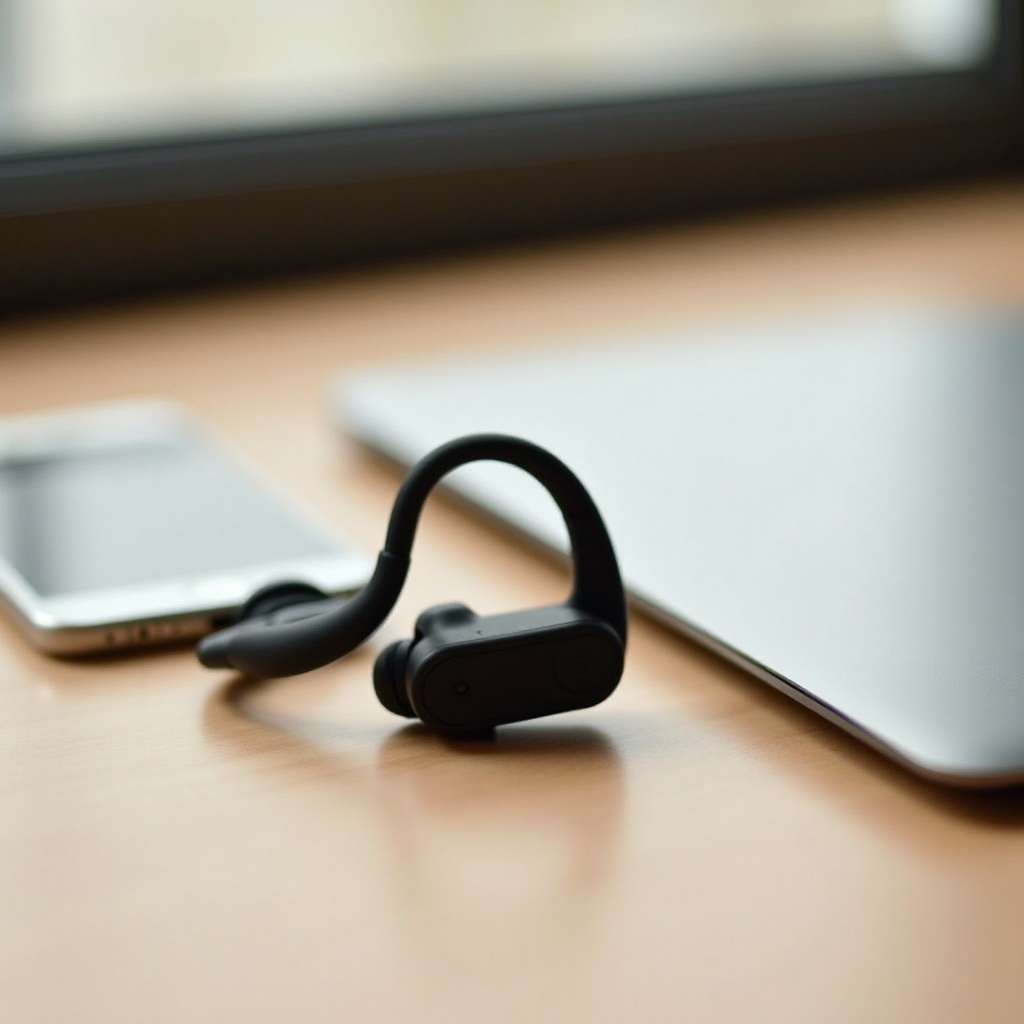
Quick Picks: Best Overall, Budget, Running, Gym, Battery, ANC, Calls
Best Overall
Choose a balanced model with secure hooks, clear mids, strong bass control, and dependable noise control and transparency. Look for multipoint and a robust app with EQ.
Best Budget
Focus on stability, IP55 or better, and at least 7 hours on a charge. Skip fancy codecs if needed; prioritize fit, basic call quality, and physical buttons.
Best for Running Outdoors
Pick lightweight hooks, wind tuned mics, and transparency or open ear designs. Reflective accents add safety at dawn and dusk.
Best for Gym and HIIT
Go for grippy hooks, an IP57 or higher rating, and tactile controls that work with sweat and gloves. A low latency mode helps with video workouts.
Best Battery Life
Seek 12 plus hours per charge and 40 plus with the case. Fast charge should deliver an hour from a short top up.
Best Active Noise Cancellation
Select strong low frequency reduction, adaptive modes, and natural transparency. Avoid ear pressure sensations during long sessions.
Best for Calls and Meetings
Look for multi mic beamforming, wind filters, and clear sidetone. Multipoint lets you switch from phone to laptop fast.
With the categories set, let us line up core specs that separate solid picks from standouts.
At-a-Glance Comparison: Fit, IP Rating, Battery, Codecs, ANC, Weight
Fit and Stability
The hook should hug the ear without pinching. Pivot points and soft edges reduce hot spots during long wear.
Water and Sweat Resistance (IP Ratings)
IPX4 handles light sweat. IP55 or IP57 resists heavier sweat and dust. For serious training, favor higher ratings.
Battery and Charging
Aim for 8 to 12 hours per charge. Cases should give at least three top ups. USB C is a must; wireless charging is a plus.
Audio Codecs and Latency
AAC and SBC cover most cases. aptX, LDAC, or LC3 can improve fidelity or efficiency. Gaming or video needs a low latency mode.
ANC and Transparency
Noise canceling helps in buses and gyms; transparency keeps you alert outdoors. Adaptive systems auto tune to your environment.
Size and Weight
Lighter hooks reduce fatigue. Even a gram matters over long runs.
Now that you know what matters on paper, let us explore each top category in depth.
Best Overall
Who It’s For
You want one pair that does everything well: commute, gym, calls, and travel. You value comfort, sound quality, and smart features in equal measure.
Key Strengths
Expect a balanced tuning with tight bass, clean vocals, and smooth highs. Noise canceling should tame engine rumble without dulling the music. Transparency needs to sound natural. Multipoint ties phone and laptop together. Buttons or well tuned touch controls should respond reliably. Battery should hit all day use with the case.
What to Consider
Some all rounders add weight with bigger batteries and mics. Check hook flexibility if you wear glasses. Noise canceling can reduce battery life, so keep quick charge handy.
If the flagship is not a perfect fit, a close second may suit your ears or budget better.
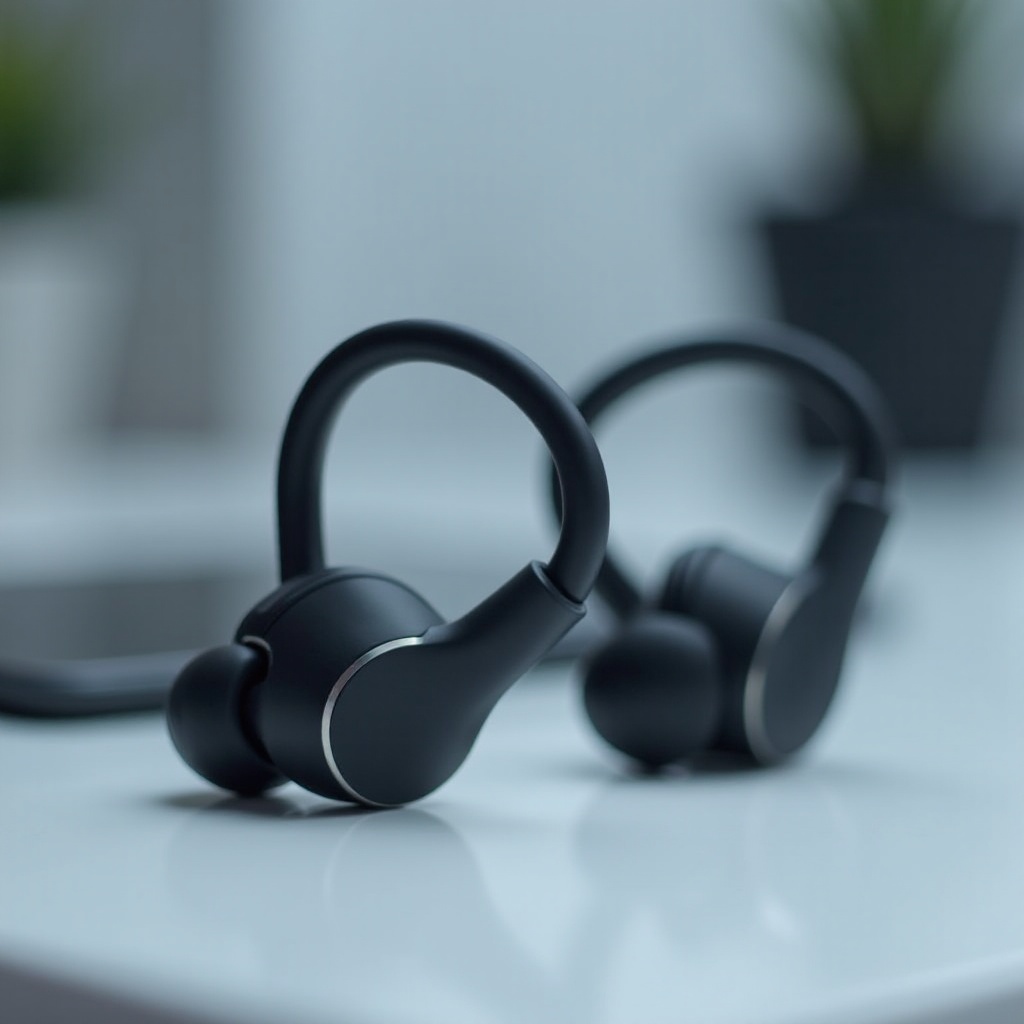
Runner-Up
Why It’s a Close Second
The runner up often matches sound and comfort but trims features like wireless charging or advanced codecs. It can cost less while keeping stability and clarity.
Strengths vs. the Winner
It may be lighter, fit smaller ears better, or have friendlier controls. Sometimes the mic tuning wins for calls in wind.
Ideal Use Cases
Choose the runner up if you want great sound and comfort, but can skip premium extras. It is a smart pick for students, casual commuters, and weekend athletes.
If value drives your choice, a dedicated budget option stretches your dollars further.
Best Budget
Value Features to Prioritize
Start with secure hooks, multiple ear tips, and IP55 or higher. Demand 7 plus hours per charge, a stable Bluetooth link, and simple controls.
Performance and Durability
Budget does not mean flimsy. Look for solid hinges on hooks, a snug case latch, and consistent sound with mild EQ options.
Trade-Offs to Expect
Noise canceling may be basic or absent. Codecs might be limited to SBC or AAC. Expect a simpler app and fewer mics.
When speed and safety matter, running focused designs bring key advantages.
Best for Running Outdoors
Stability at Pace and Wind Handling
Hooks must stay put through sprints and hills. Aerodynamic vents and mesh help cut wind noise for clearer cues and calls.
Safety and Awareness Options
Open ear hooks or clean transparency let you hear cars and cyclists. Some apps add voice prompts for pace and distance.
Comfort for Long Runs
Lightweight shells and soft hooks stop rubbing. A slight clamp keeps things stable without pressure.
Gym work adds sweat, dynamic moves, and gear contact, which demands a tougher design.
Best for Gym and HIIT
Secure Fit Under Intense Movement
Burpees, cleans, and box jumps call for a locked in fit. Look for rigid yet padded hooks and tips that seal without pain.
Sweatproofing and Hygiene
IP57 or better resists heavy sweat. Smooth surfaces and removable tips clean fast. Antimicrobial coatings help, but washing beats gimmicks.
Controls and Glove Compatibility
Raised buttons beat slippery touch pads. Big, clear clicks prevent missed reps.
Long shifts and travel days reward a set built for endurance.
Best Battery Life
Single-Charge Endurance
Aim for 12 hours at moderate volume without noise canceling. With it on, 8 to 10 hours is strong.
Case Capacity and Quick Charge
A case that adds 30 to 40 hours keeps you covered. Quick charge should give an hour or more from a short plug in.
Power Management Tips
Use moderate volume, disable noise canceling when not needed, and keep buds dry. Store them in the case to avoid idle drain.
If noise control is a must, focus on performance and comfort for long wear.
Best Active Noise Cancellation
ANC Effectiveness on Ear Hooks
Good systems kill low hums from treadmills and buses. They also reduce chatter, though not fully. Seal and mic placement make the difference.
Pressure and Comfort Considerations
Some users feel pressure with aggressive settings. Try adaptive modes or reduce intensity to ease the sensation.
Transparency for Situational Awareness
A natural, low latency transparency mode helps in gyms and streets. Voices should sound clear, not tinny.
Clear calls require strong mics and smart processing; here is what to target next.
Best for Calls and Meetings
Mic Arrays and Noise Suppression
Seek three to six mics per pair with beamforming and noise filters. Your voice should cut through cafe noise without sounding thin.
Wind and Background Noise Handling
Wind screens and smart algorithms reduce rumble outdoors. Test while walking; many sets perform well until gusts hit.
Multipoint and App Features
Multipoint keeps you connected to laptop and phone at once. Sidetone lets you hear yourself and speak naturally.
If you struggle with fit or wear glasses, the right hook shape changes everything.
Best for Small Ears and Glasses Wearers
Hook Geometry and Adjustability
Look for slim hooks that curve close to the ear. Hinged or flexible cores adapt to different shapes without pinching frames.
Tip Sizes and Materials
XS tips and foam options help seal small canals. Hybrid silicone can improve grip without pressure.
Pressure Points and Long-Session Comfort
Rounded edges and soft contact zones prevent hot spots. Weight under 8 to 9 grams per bud often feels better for hours.
Not every use case fits neat categories; some niches deserve a quick spotlight.
Honorable Mentions and New Releases
Open-Ear Ear Hook Picks
Open designs keep canals clear for maximum awareness. Great for group runs and urban rides.
Niche Audiophile Ear Hooks
Some models add larger drivers, wider staging, and LDAC for richer detail, while still offering secure hooks.
New Models to Watch
Keep an eye on releases that combine open ear safety with smarter noise control and better battery density.
Before you buy, align features with your needs using this concise checklist.
Buying Guide: What to Look For (Fit, IP, Sound, Codecs, Connectivity, Battery)
Fit and Hook Design
Comfort rules. Choose hooks that flex and spread pressure. Test stability with head shakes and short jogs. Multiple tip sizes are essential.
Water and Sweat Resistance (IPX4, IP55+)
Match IP to your sweat. IPX4 suits light workouts. IP55 to IP57 handles heavy sweat and dust. Rinse and dry after sessions to extend life.
Sound Quality and Driver Types
Most use dynamic drivers. Prioritize clean mids for vocals and podcasts, controlled bass for beats, and smooth highs. An app EQ helps you fine tune.
Codecs Explained (SBC, AAC, aptX, LDAC, LC3)
AAC works well on many phones. aptX can lower latency and improve stability on supported devices. LDAC raises bandwidth for detail but can hit battery. LC3 is efficient and future ready.
Connectivity (Bluetooth Versions, Multipoint, Latency Modes)
Modern Bluetooth brings better range and stability. Multipoint boosts productivity. Gaming or training videos need a low latency toggle.
Controls and App Support (EQ, Presets, Find-My)
Tactile buttons cut mis taps during sweat. Apps with EQ, presets, firmware updates, and find my features add value.
Battery, Charging, and Case Design
Aim for at least 8 hours per charge. A compact case should pocket easily, hinge smoothly, and charge via USB C. Wireless charging is a useful bonus.
Durability, Warranty, and Support
Reputable brands provide clear warranties and accessible support. Check tip availability and replaceable parts.
With priorities set, here is how we verify real world performance beyond spec sheets.
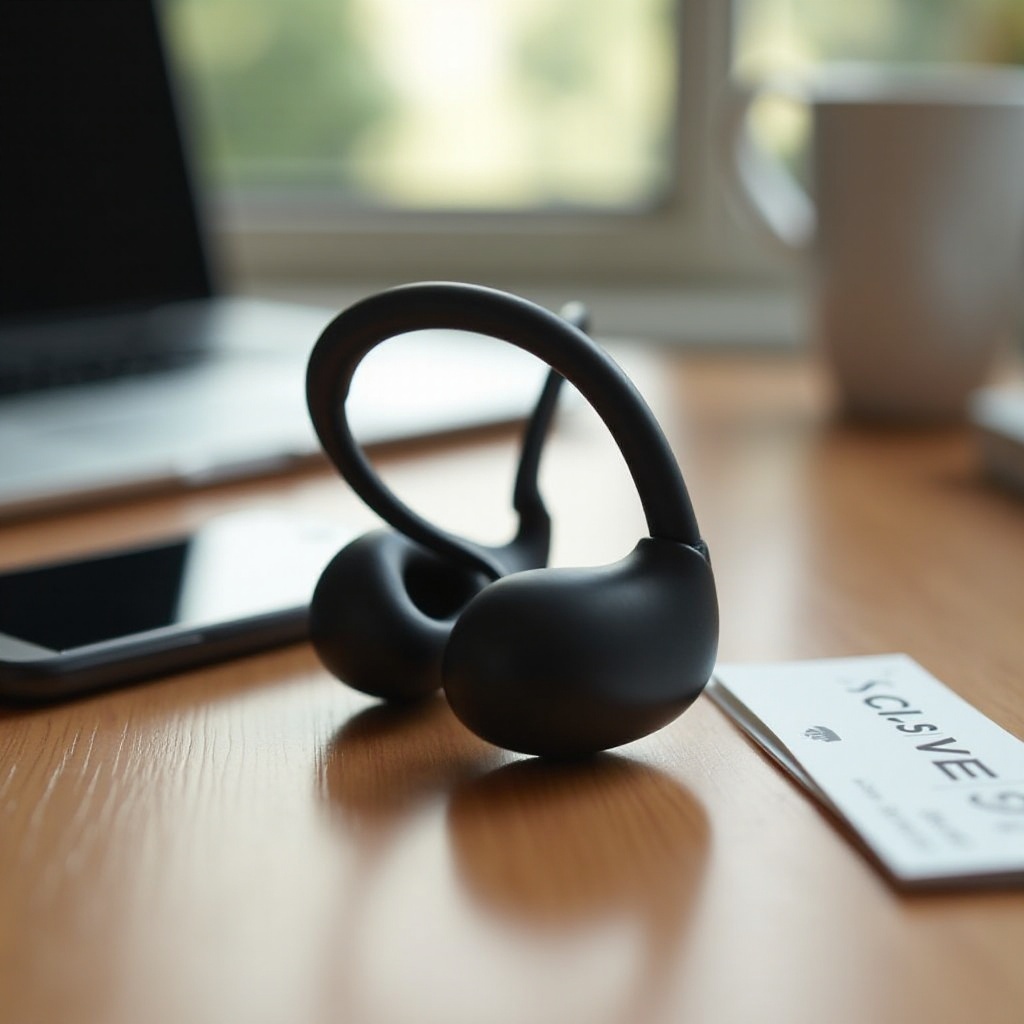
How We Test Ear Hook Headphones
Fit and Stability Stress Tests
We perform shake and sprint tests, burpees, and head turns. We note hot spots and hook slippage over 60 to 90 minutes.
Battery and Charging Measurements
We run standardized loops at fixed volume with and without noise canceling. We log charge times and quick charge gains.
Call Quality and Noise Rejection
We place calls in cafes, on sidewalks, and next to fans. We assess clarity, background reduction, and wind control.
Codec and Latency Validation
We confirm codec negotiation across devices and measure A V sync in video apps and games.
Sweat and Weather Resistance Trials
We simulate heavy sweat, then rinse and dry. We test in light rain and humid rooms to probe seals and corrosion risk.
Comfort and Long-Wear Assessment
We wear sets for workdays and long runs. We track pressure points, ear fatigue, and how hooks interact with glasses.
Knowing what to buy is one part; timing the purchase saves money.
When to Buy and Where to Find Deals
Release Cycles and Model Refreshes
Brands refresh sport lines roughly every 9 to 18 months. New launches can lower prices on outgoing models with similar performance.
Best Sale Periods and Bundles
Major shopping events and back to school windows bring strong discounts. Look for bundles with spare tips or cases.
Authorized Retailers vs. Grey Market
Authorized sellers protect your warranty and firmware updates. Grey market deals can risk voided support.
You are ready to choose; here is how to wrap it up with confidence.
Conclusion
Ear hook headphones thrive where regular buds fail. The hook keeps them steady when you run, lift, or rush to catch a train. Pick your priority: comfort, battery, noise control, calls, or price. Then match it with the right design, IP rating, and controls. Do not chase features you will not use. Instead, invest in a secure fit, reliable mics, and battery life that fits your day.
Use the quick picks to narrow the field. Scan the comparison points, then lean on the buying guide to finalize details. With a smart, focused checklist, you will end up with secure, sweatproof sound that fits your routine.
Frequently Asked Questions
Are wireless ear hook headphones good for small ears or glasses wearers?
Yes, if the hooks flex and the shells stay slim. Look for adjustable or soft hooks that bend without digging into frames. XS or foam tips improve the seal for small canals. Test for 30 to 60 minutes to catch pressure points before buying.
Can ear hook headphones deliver effective ANC without discomfort?
Many do. Seek adaptive noise canceling with multiple levels so you can reduce intensity. A solid seal helps ANC work at lower strength, which reduces perceived ear pressure. If you run or bike, switch to transparency or an open ear model for safety.
Which is better for outdoor safety: open ear ear hooks or sealed models with transparency?
Open ear keeps canals clear and offers the most natural awareness. Sealed buds with transparency can sound close, but wind and processing may color the scene. For city routes and group runs, open ear is usually safer. For mixed use, sealed with good transparency offers flexibility.