Introduction
Apple’s iPad has long been a benchmark in the tablet market, yet several impressive alternatives have emerged. These alternatives not only match but often exceed the expectations set by the iPad in terms of performance, screen quality, and overall value. In this guide, we journey through the leading tablets of 2024 that offer comparable experiences to the iPad, helping you decide which might be your perfect fit.
What to Look for in an iPad Alternative
When considering tablets that can rival the iPad, several key aspects should guide your decision:
- Operating System: This influences your user experience significantly. Whether you prefer the flexibility of Android, the familiarity of Windows, or another platform, it’s crucial to choose what suits your needs best.
- Display Quality: Look for high-resolution screens with vibrant colors suitable for both work and play.
- Performance: Seek out devices with powerful processors and sufficient RAM for multitasking and gaming capabilities.
- Battery Life: Essential for those who are constantly on the move, ensuring your device can last throughout the day without needing frequent charges.
Having covered the key points, let us discuss the top tablets in 2024 that offer these features.
Leading iPad Alternatives in 2024
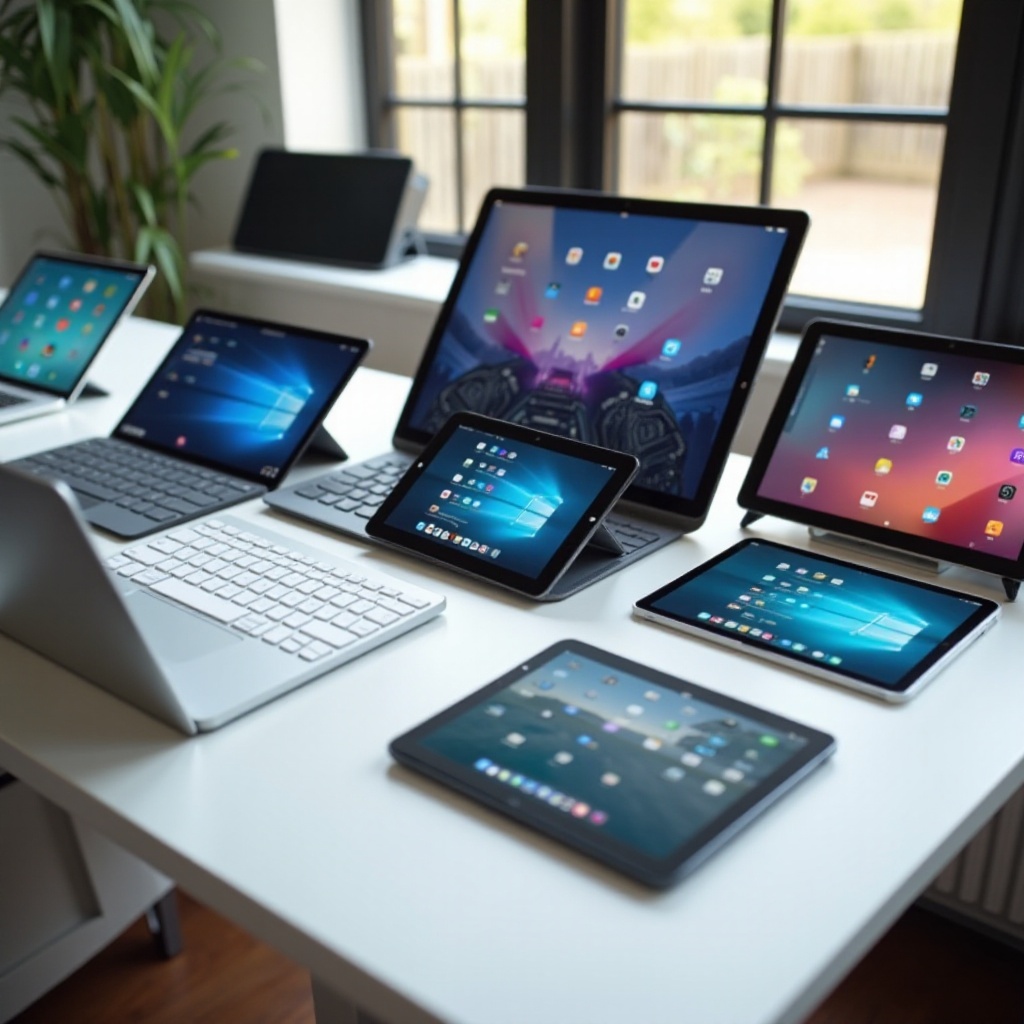
Some tablets have truly set themselves apart in 2024. Here are the top competitors that can challenge the iPad:
-
Samsung Galaxy Tab S9 Ultra: A significant contender, it flaunts an AMOLED display that provides deep blacks and vibrant colors, ensuring an excellent visual experience for users. It’s powered by a strong Exynos processor, showcasing superb performance and battery longevity. Seamlessly integrating with Samsung’s ecosystem, it is highly versatile, especially for those already using other Samsung devices.
-
Microsoft Surface Pro 9: Known for its ability to function both as a laptop and tablet, the Surface Pro 9 is perfect for professional use. With its Windows OS, it provides access to a wide range of software applications, making it a preferred choice for professionals and students. The tablet features a striking PixelSense display alongside its Intel processor, allowing it to handle demanding applications efficiently.
-
Lenovo Tab P11 Pro Gen 3: A solid choice for those seeking a balance between performance and cost. Its OLED display with DCI-P3 offers excellent color accuracy, best for creators and media consumers. Operating on Android, it ensures flexibility with a rich app ecosystem and delivers efficient performance via its MediaTek chipset.
With these competent devices examined, it’s time to delve into a comparative analysis focusing on features and performance metrics.
Comparative Analysis: Features and Performance
Understanding the capabilities of each tablet involves examining various aspects:
- Display Quality and Resolution:
- The Samsung Galaxy Tab S9 Ultra impresses with its AMOLED panel, guaranteeing exceptional viewing experiences with HDR support.
- Microsoft’s Surface Pro 9 provides crystal-clear visuals with its PixelSense technology, ideal for tasks requiring great detail and precision.
-
Lenovo’s OLED screen delivers superior color range, making it perfect for visual content enthusiasts.
-
Operating System and User Interface:
- The Android systems in Samsung and Lenovo tablets offer customization and a vast selection of applications from Google Play.
-
Microsoft’s Windows OS on the Surface Pro 9 allows a traditional desktop-like experience, versatile for multiple professional applications.
-
Performance and Battery Life:
- With powerful processing units like Samsung’s Exynos and Lenovo’s MediaTek, they handle everyday activities smoothly without frequent charging needs.
- Surface Pro 9’s Intel processor efficiently runs professional-grade applications, proving invaluable for working professionals.
After evaluating these features, let’s consider how pricing impacts their value propositions.
Price and Value for Money
Each tablet provides unique strengths, and pricing often determines their accessibility:
-
Samsung Galaxy Tab S9 Ultra: Positioned as a premium option, it offers comprehensive features such as an excellent display and strong performance, justifying its cost, especially for multimedia and productivity enthusiasts.
-
Microsoft Surface Pro 9: Elevated in price, this model offers the functionality of a laptop and tablet, making it a wise investment for those seeking multi-purpose usage, particularly suited to professionals that rely on intensive software applications.
-
Lenovo Tab P11 Pro Gen 3: Known for its affordability, it appeals to budget-conscious consumers desiring quality performance and features without overspending, offering exceptional value with its balance of capabilities.
By considering the balance of price versus features, users can choose a tablet aligned with their financial and functional needs. Next, let’s explore the real-world experiences that users and experts have encountered with these devices.
User Experience and Feedback
Analyzing feedback can provide an understanding of how these tablets perform in practical scenarios:
-
Consumer Reviews: Users consistently commend the Samsung Galaxy Tab S9 Ultra for its stunning display and enduring battery life. The Surface Pro 9 receives high praise for its versatility, successfully transforming into a laptop when needed. Lenovo’s tablet garners positive comments for delivering value through its exceptional display and affordability.
-
Expert Opinions: The Samsung and Microsoft models receive accolades from tech experts for their performance, each serving its target audience with distinction—Samsung excelling for content consumption and Microsoft for productivity and work.
Bringing together these insights should help in selecting the perfect tablet that meets your specific requirements.
Conclusion
The tablet landscape in 2024 offers several noteworthy contenders, each packing features that rival the famed iPad. Whether it’s the display quality you seek, operating system preferences, or outstanding performance, options abound to meet diverse user requirements. Selecting the right tablet involves appreciating what features resonate with your usage needs and how they align with the specifications each model presents.
Frequently Asked Questions
Which tablet is the best alternative for professional use?
The Microsoft Surface Pro 9 is ideal for professionals due to its Windows OS, which supports desktop applications and offers versatile hardware customization.
Are Android tablets better than iPads for gaming?
Android tablets, like the Samsung Galaxy Tab S9 Ultra, can be advantageous for gaming due to their vibrant displays and access to diverse Android games.
How often should I upgrade my tablet?
Upgrading every 3-4 years is generally recommended to benefit from the latest technology enhancements and improve your overall user experience.